There are many factors to consider when choosing a pergola. Some are freestanding, while others are wall-mounted. Some are made of wood and others from vinyl. Size and shape are also important factors to consider. Below are some tips to help you choose the right pergola for your yard. You may also want to take a look at our gallery for more inspiration. Here are some of our favorites! Hopefully these tips will help you find the right pergola for your property, visit pergolasdallas.com!
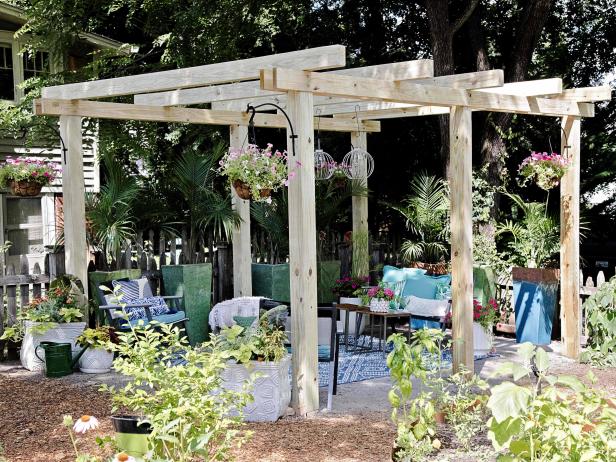
Freestanding or wall-mounted
There are two types of pergolas: freestanding and wall-mounted. Freestanding pergolas have four posts and stand alone without any kind of attachment or wall to rest on. They are typically located on a flat surface without any kind of anchored surface, so they must be anchored with concrete or post-hole footings. If you plan to install a freestanding pergola on a flat surface, you should make sure to anchor the posts. However, you should never anchor the posts to paving stones.
Pergolas made of vinyl are preferred for outdoor backyard structures, because they don’t require any maintenance. Manufacturers of vinyl outdoor structures and fences usually offer warranties for up to 25 years. These structures can last a lifetime without needing to be painted or stained, and they are virtually maintenance-free. Although vinyl is more expensive than wood, it is also more durable than wood and doesn’t require any maintenance. A disadvantage of vinyl is that it can’t be painted, but high-density PVC trim is paintable, so you can customize your pergola to match your style.
Wood or vinyl
What should I look for in a pergola? Ultimately, you should choose what best fits the aesthetic of your outdoor space. Wood pergolas will need routine painting and maintenance, while aluminum and vinyl will not. Each has its advantages and disadvantages, so make sure to consider this when purchasing a pergola. The right material can greatly enhance the aesthetic of your space, whether you want a modern, rustic, or modern-style design. In addition, both materials will last for decades with proper care.
A wood pergola is relatively inexpensive compared to vinyl and is easy to maintain, but requires frequent painting and staining. Vinyl pergolas are low-maintenance and will not require as much maintenance, which is ideal if you’re looking for a low-maintenance option. Both materials can be customized to complement the existing look of your property, and each one has its pros and cons. However, it is important to choose the materials that will last a lifetime if you want to avoid frequent maintenance.
Size
The size of a pergola can vary greatly, depending on the materials used and the design of the structure. Generally, you should use timbers that are at least 2 inches thick to support the weight of roofing materials. If you are unsure of what size you need, consult with a contractor. They can recommend the best options based on your particular project. Here are some guidelines to help you decide the size of your pergola:
Decide what materials will be used to make the structure. Metal and aluminum are both durable and lightweight, and can be constructed with thin frame systems without any problems. However, they are expensive. Consider the aesthetics and durability of different materials before making the final decision. Depending on the style you want, you can choose from a wide variety of options. In general, a metal pergola is easier to maintain than a wood pergola.
Shape
The shape of a pergola can have many different functions. It can provide shade or cover during bad weather, and you can choose from a variety of materials. The most common material for pergolas is wood. Hardwood pergolas are typically more expensive but can add charm to an older home. Softwood pergolas are cheaper but can also be stained to match the exterior of your home. Then there are the timber pergolas, which are very heavy and made of wood.
A pergola’s shape is the most important aspect for aesthetics. It can be symmetrical, asymmetrical, free-form, or geometric in design. It can either be attached to a house or stand alone. When selecting a shape, make sure to consider the surrounding area and weather conditions. Once you have chosen the style, it’s time to choose a stain for the wood. There are many options to choose from, so take your time and find the one that best fits your home.
Material
There are many different types of pergola materials, but the best ones are often made of a combination of different materials. A timber pergola, for example, has a rustic, organic feel to it, but it requires some maintenance and preservatives. Oil-based preservatives are best for outdoor wood. Western red cedar, for example, is naturally resistant to moisture and pests. Steel, on the other hand, is both durable and corrosion-resistant, making it a great choice for pergolas in wet or high-humid climates.
Wooden pergolas are a popular choice for many homeowners because of their durability and aesthetic appeal. Hardwood pergolas can be quite expensive but add a classic feel to an older home. Softwood is an affordable, more affordable option that can still add a unique aesthetic to your home. If you plan to stain the wood, you can do so before assembling the pergola. Softwood pergolas also come pretreated and are easy to paint.