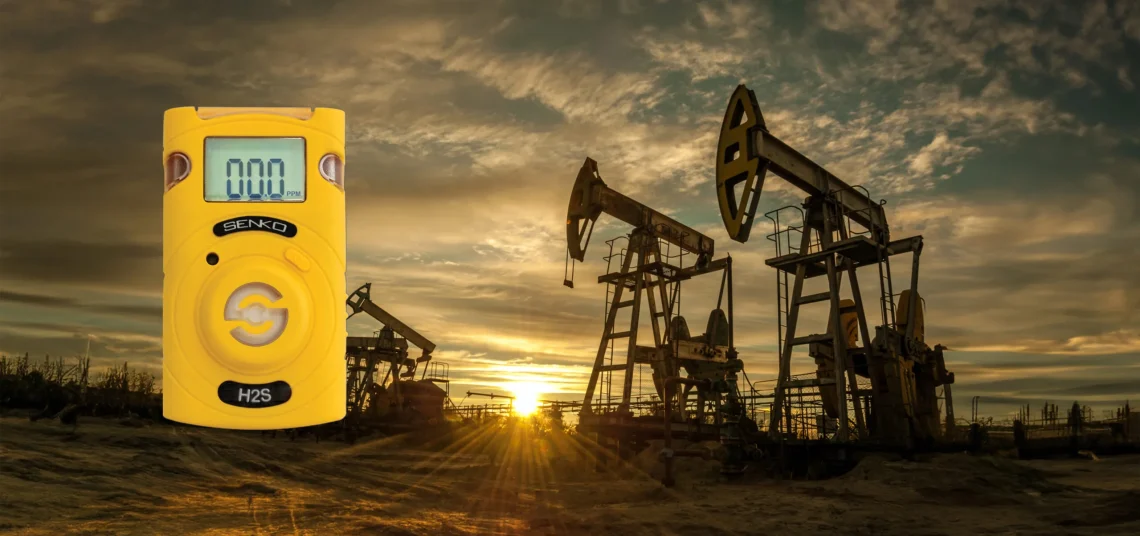
Hydrogen sulfide is a colorless, flammable, and extremely toxic gas that can be found in various industrial settings, such as oil refineries, wastewater treatment plants, and paper mills. Due to its harmful effects on human health, it is crucial to have reliable detection systems in place to monitor and alert workers of any potential leaks or exposure to this deadly gas.
A hydrogen sulfide detector is a device specifically designed to detect the presence of hydrogen sulfide gas in the air. These detectors work by using sensors that can detect even trace amounts of the gas and sound an alarm when levels exceed safe limits. In this article, we will explore the importance of hydrogen sulfide detectors, how they work, and why they are vital tools for ensuring the safety of workers in hazardous environments.
The Importance of Hydrogen Sulfide Detectors
Hydrogen sulfide detectors play a crucial role in ensuring the safety of workers in hazardous environments where exposure to this toxic gas is a significant risk. These detectors provide an early warning system that can alert individuals to the presence of hydrogen sulfide in the air before it reaches dangerous levels. By promptly detecting any leaks or releases of this deadly gas, hydrogen sullfide detector help prevent accidents, injuries, and even fatalities in industrial settings. Workers can quickly evacuate the area or take necessary precautions when the alarm from the detector goes off, potentially saving lives.
In addition, hydrogen sulfide detectors also help companies comply with safety regulations and guidelines set forth by organizations such as OSHA. By proactively monitoring the air for the presence of hydrogen sulfide gas, employers can create a safer work environment for their employees and reduce the risk of exposure to this deadly substance. Overall, hydrogen sulfide detectors are essential tools in protecting workers and preventing potential disasters in industrial workplaces where this toxic gas may be present.