Aluminium rails have emerged as an essential component in various industries, thanks to their combination of strength, lightweight properties, and corrosion resistance. As technology advances and the need for sustainable materials grows, aluminium has gained significant popularity in applications ranging from construction to transportation. This article delves into the myriad benefits of aluminium rails, exploring their versatility, durability, and the innovations that continue to shape their use in modern engineering and design.
From facilitating safe and reliable support structures to enhancing the aesthetics of architectural projects, aluminium rails are redefining how we approach design and functionality. With a closer look, we will examine the manufacturing processes, industry standards, and future trends that highlight the importance of aluminium rails in a rapidly evolving marketplace. Join us as we uncover the many facets of this remarkable material and its pivotal role in shaping the future of construction and design.
Versatility in Applications
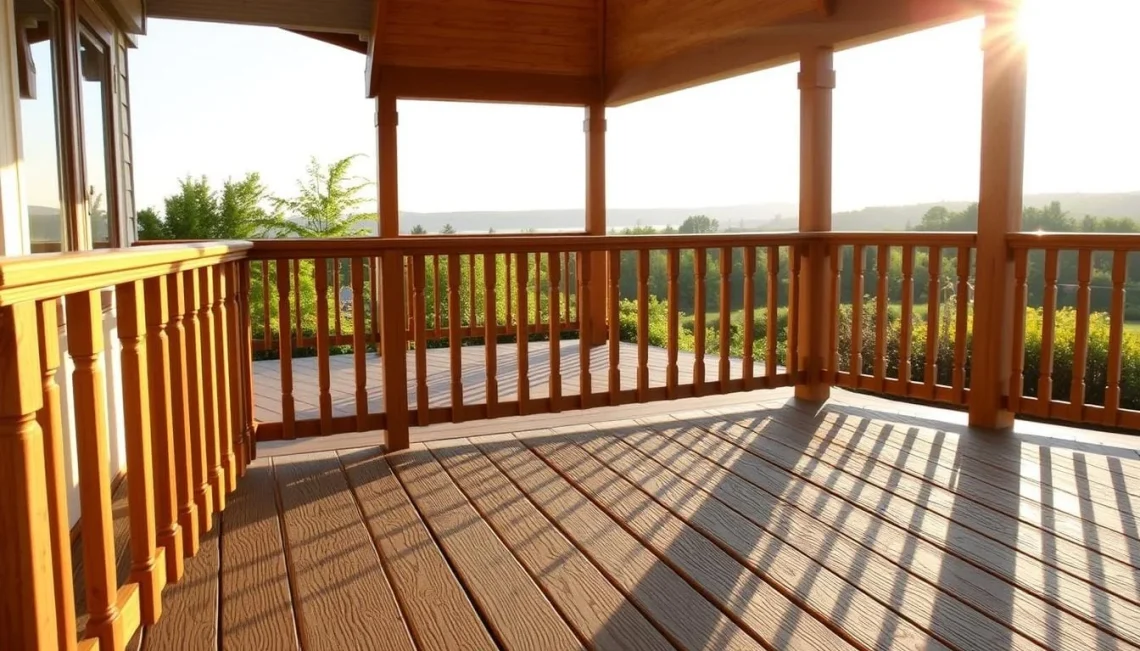
Aluminium rails offer unparalleled versatility, making them suitable for a wide variety of applications. From residential to commercial settings, their adaptability allows for both structural integrity and aesthetic appeal. Whether utilized in railings, fencing, or supports, aluminium rails can be engineered to meet specific design requirements while maintaining compliance with industry standards. Their lightweight nature simplifies installation, reducing labor costs and time, and their inherent corrosion resistance ensures longevity in outdoor environments. As illustrated on ozaluminiumrailing.ca/aluminium-spindle-railing, the use of aluminium spindles further exemplifies this adaptability, combining safety with modern design trends.
Durability and Sustainability
The durability of aluminium rails is complemented by their sustainable properties, allowing them to withstand harsh weather conditions without succumbing to rust or deterioration. This resilience not only extends the lifespan of installations but also minimizes the need for frequent replacements, which can be resource-intensive. Furthermore, aluminium is fully recyclable, supporting eco-friendly initiatives in construction and manufacturing. As industries increasingly prioritize sustainability, the demand for aluminium rails is expected to grow, paving the way for innovative designs that align with modern environmental standards.
In conclusion, aluminium rails serve as a testament to the perfect fusion of functionality and sustainability in modern design and engineering. Their robust yet lightweight nature makes them ideal for a diverse range of uses, contributing not only to structural safety but also to the aesthetic appeal of various projects. As industries continue to embrace environmentally-friendly practices, the recyclability of aluminium further enhances its profile as a responsible material choice. With ongoing innovations in manufacturing and design, aluminium rails are poised to play a pivotal role in advancing architectural trends and standards in the years to come, reinforcing their status as an indispensable element in contemporary construction and beyond.