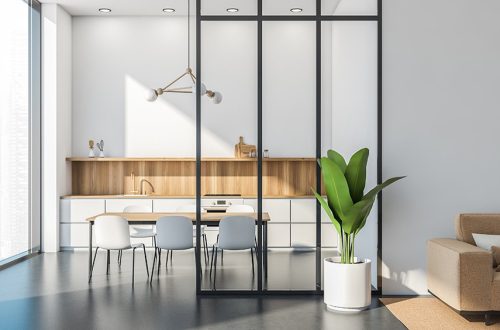
In the realm of architecture and design, the aesthetics of a space have long been a focal point of attention. However, a growing body of research and understanding highlights that interior design is much more than just a superficial pursuit. Beyond creating visually appealing spaces, interior design plays a significant role in shaping our psychological well-being. Elegance and functionality intertwine seamlessly in the realm of interior design in Chicago. The arrangement of furniture, choice of colors, lighting, and spatial organization all contribute to the way we feel and function within an environment. This article delves into the fascinating world of interior design psychology and its profound impact on our overall well-being.
The Power of Colors
Colors hold the key to evoking emotions and influencing our mood. Interior designers have recognized the potential of colors to shape psychological experiences. For instance, vibrant and warm colors like reds and yellows are known to stimulate energy and creativity, making them suitable choices for spaces where social interaction and brainstorming occur. On the other hand, cooler tones such as blues and greens promote a sense of calm and tranquility, making them ideal for areas intended for relaxation, like bedrooms or reading nooks.
Psychologists have studied the psychological effects of color extensively. Color therapy, also known as chromotherapy, is a practice that utilizes colors to promote emotional and mental well-being. Interior designers can harness this knowledge to create harmonious environments that resonate with their occupants’ emotional needs.

Lighting and Mood
The quality of lighting in a space can dramatically influence our mood and productivity. Natural light, in particular, has been associated with numerous health benefits, including improved sleep patterns, enhanced mood, and increased productivity. Spaces flooded with natural light are often perceived as more inviting and uplifting. In contrast, artificial lighting, if not well-designed, can lead to discomfort and even exacerbate stress.
In recent years, the concept of circadian lighting has gained traction in interior design. Circadian lighting mimics the natural progression of sunlight throughout the day, influencing our body’s internal clock and promoting better sleep and overall well-being. By integrating such lighting strategies, interior designers can craft environments that support occupants’ physical and psychological health.
Spatial Layout and Functionality
The arrangement of furniture and spatial layout has a profound impact on the flow and functionality of a space. Human beings are inherently sensitive to their physical surroundings, and a well-designed layout can contribute to a sense of order and ease. Cluttered and disorganized spaces can lead to feelings of stress and anxiety, while open and well-organized layouts can enhance a sense of control and efficiency.
Interior designers often consider the concept of “flow” when planning a space. Flow refers to the seamless movement and transition between different areas, contributing to a more enjoyable and functional experience. For instance, in a residential setting, a well-designed kitchen layout can enhance the joy of cooking and socializing, while a thoughtfully planned office space can boost productivity and focus.
Biophilic Design
A rising trend in interior design is the integration of biophilic elements – incorporating nature into indoor spaces. The presence of natural elements such as plants, water features, and natural materials has been linked to reduced stress, improved cognitive function, and enhanced well-being. Biophilic design acknowledges the innate human connection to nature and seeks to bridge the gap between the built environment and the natural world.
Studies have shown that exposure to nature, even in a simulated form, can have positive psychological effects. Interior designers can incorporate biophilic principles by strategically placing plants, using natural textures, and introducing elements that mimic natural patterns. These elements not only enhance the visual appeal of a space but also contribute to occupants’ emotional and mental wellness.
Emotional Resonance and Personalization
Creating a sense of emotional resonance and personalization in interior design can have a profound impact on well-being. Spaces that reflect the occupants’ personalities, preferences, and memories can evoke positive emotions and a sense of belonging. This is particularly important in residential settings, where people seek comfort and a sense of identity.
Interior designers can collaborate closely with clients to understand their values and aspirations. By infusing personal elements such as family heirlooms, artwork, and meaningful artifacts, designers can create spaces that resonate on a deeper emotional level. This personalized approach not only enhances the aesthetic quality of a space but also contributes to a heightened sense of well-being.
Conclusion
The psychology of interior design goes beyond mere aesthetics, encompassing a deep understanding of how our physical surroundings influence our psychological well-being. From the strategic use of colors and lighting to the arrangement of furniture and integration of nature, interior designers wield a powerful tool in shaping the emotional experiences of occupants. As the field continues to evolve, the marriage of design and psychology holds the promise of creating spaces that foster positive emotions, enhance productivity, and ultimately contribute to a higher quality of life. So, the next time you step into a well-designed room, take a moment to appreciate how its thoughtful composition is not just visually pleasing, but also a silent contributor to your overall well-being.